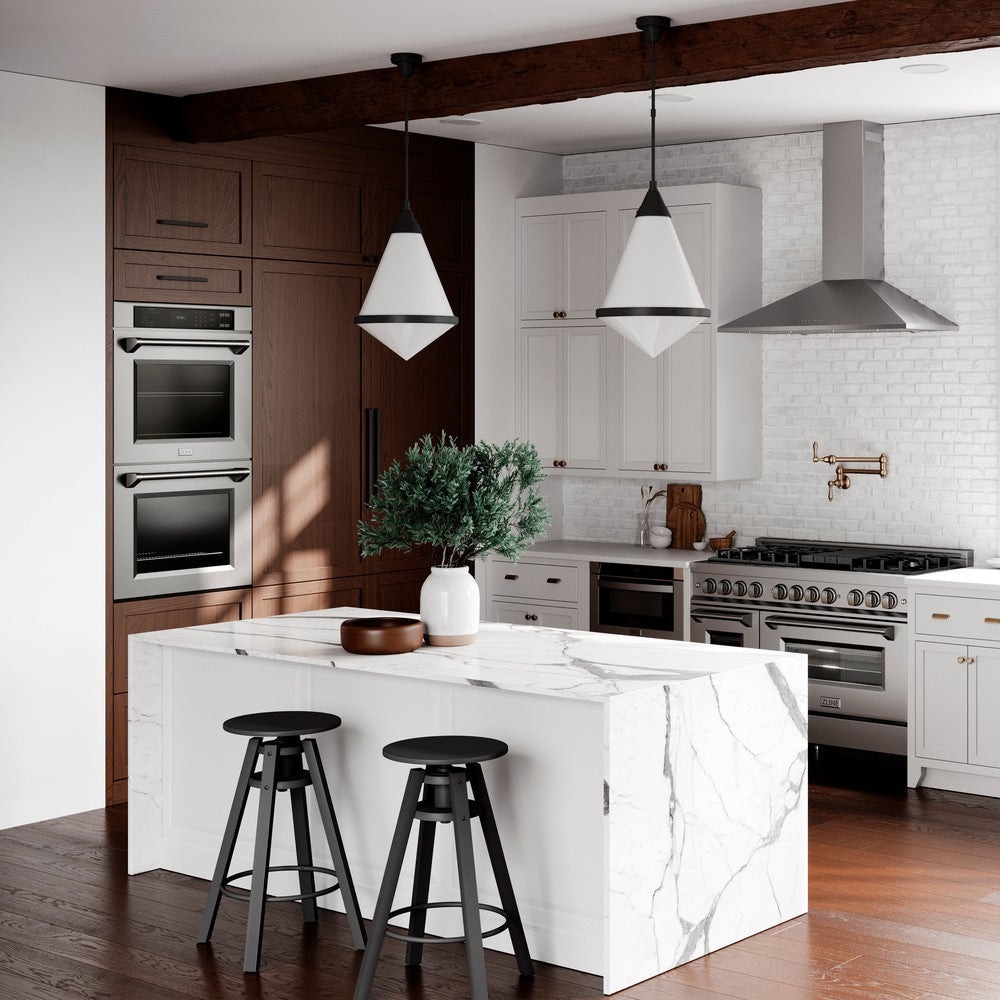
 Kitchen Appliances
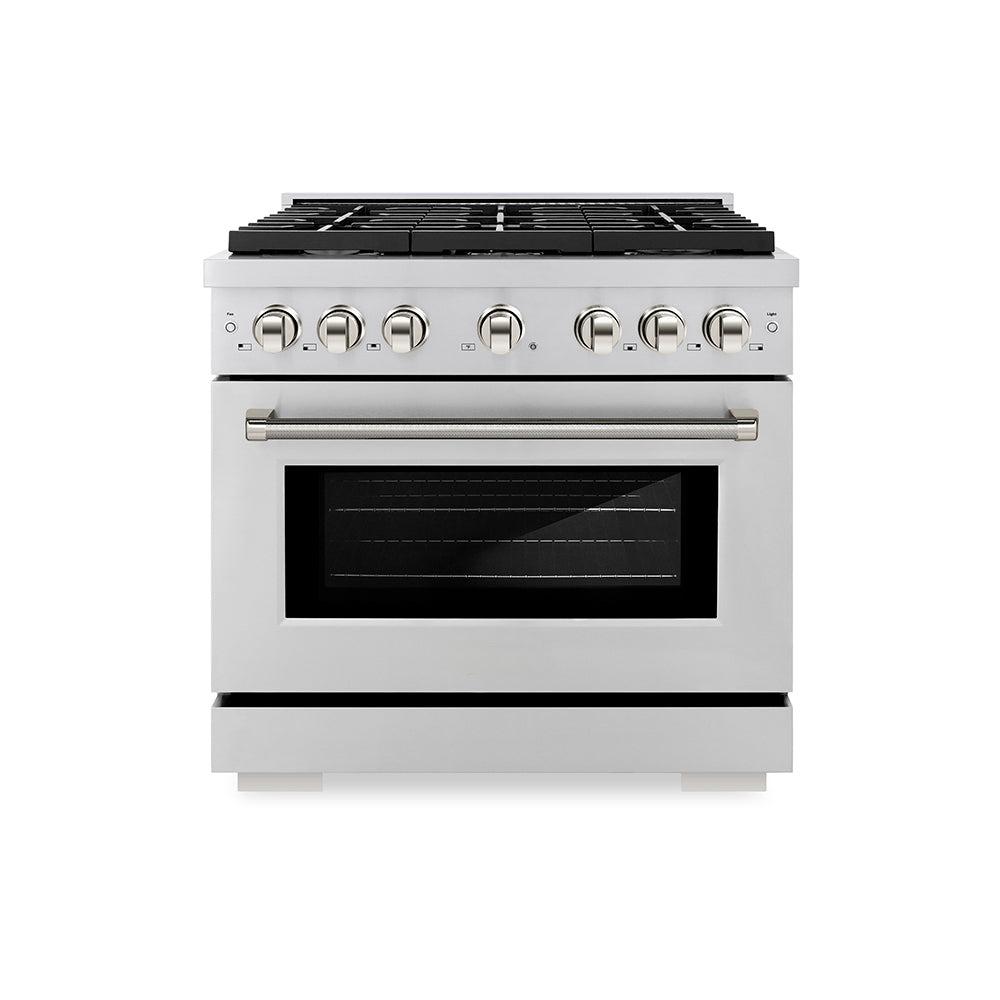 Range Cooker
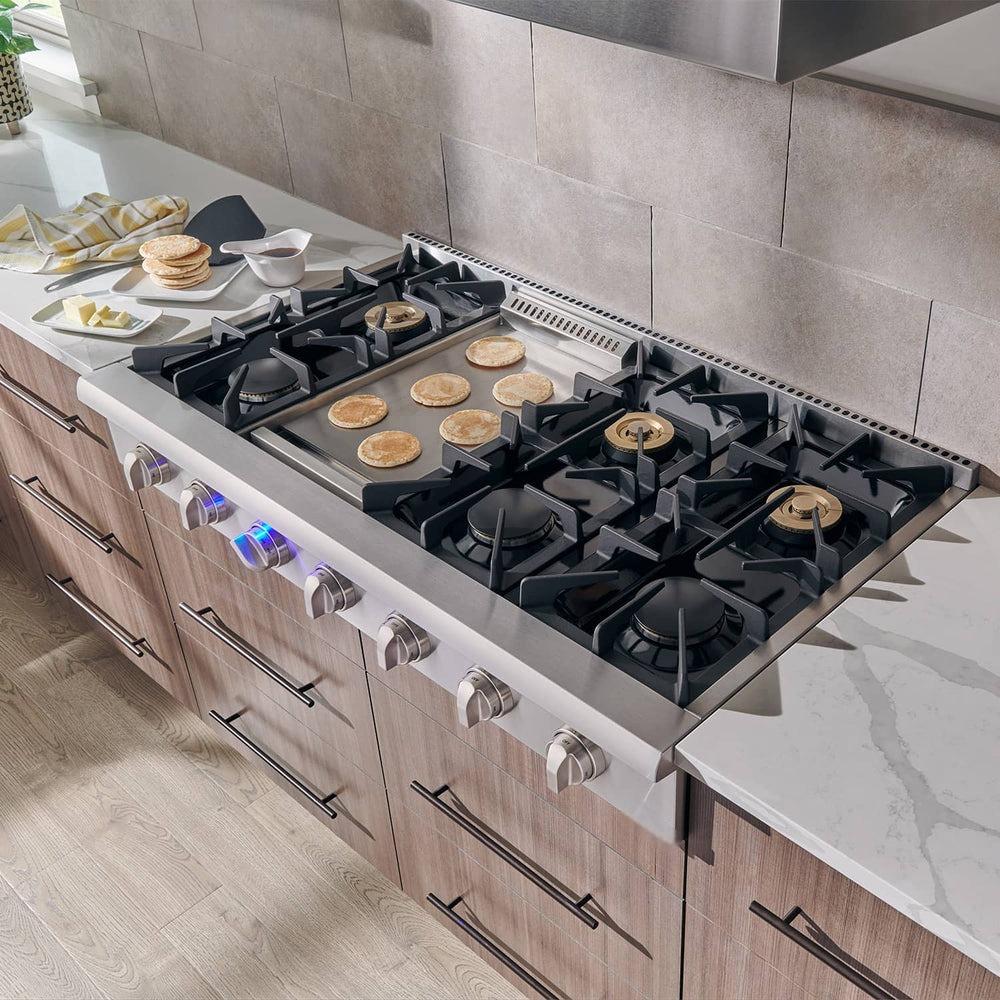 Rangetop&Cooktop
 Refrigerator
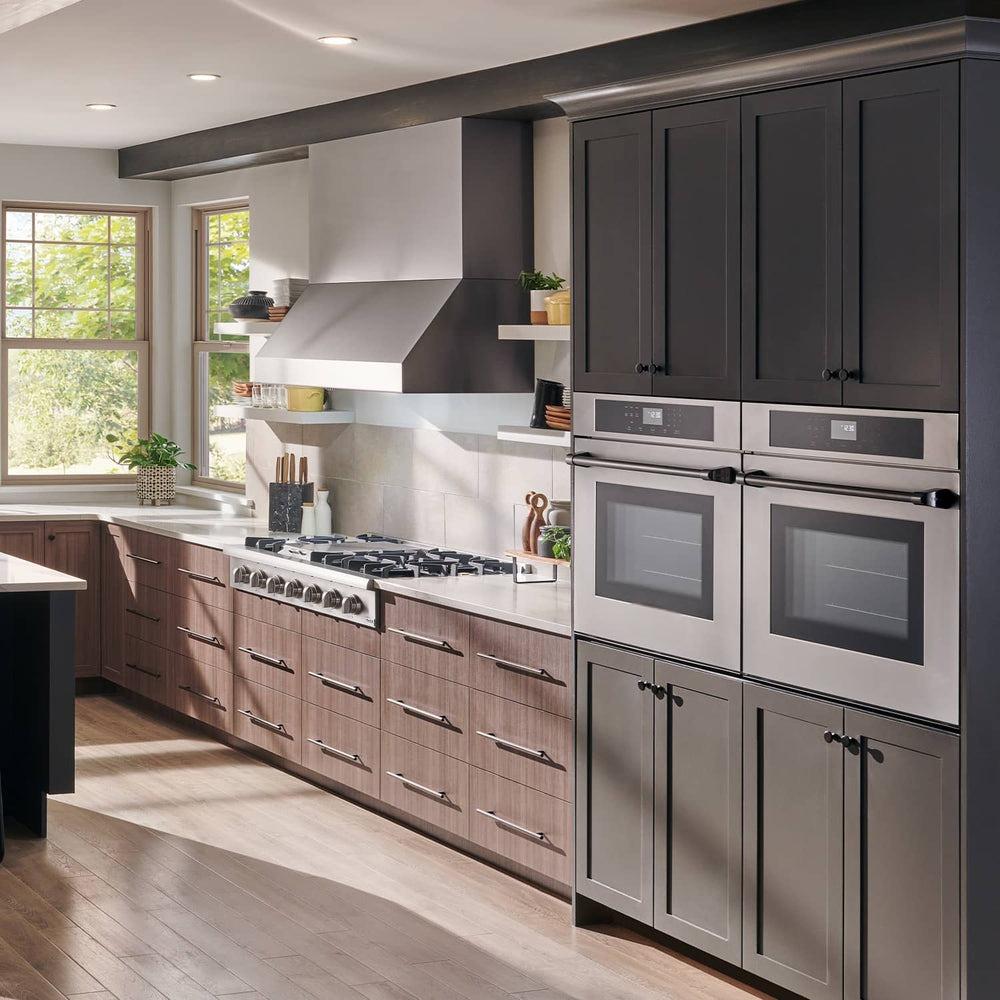 Wall Oven
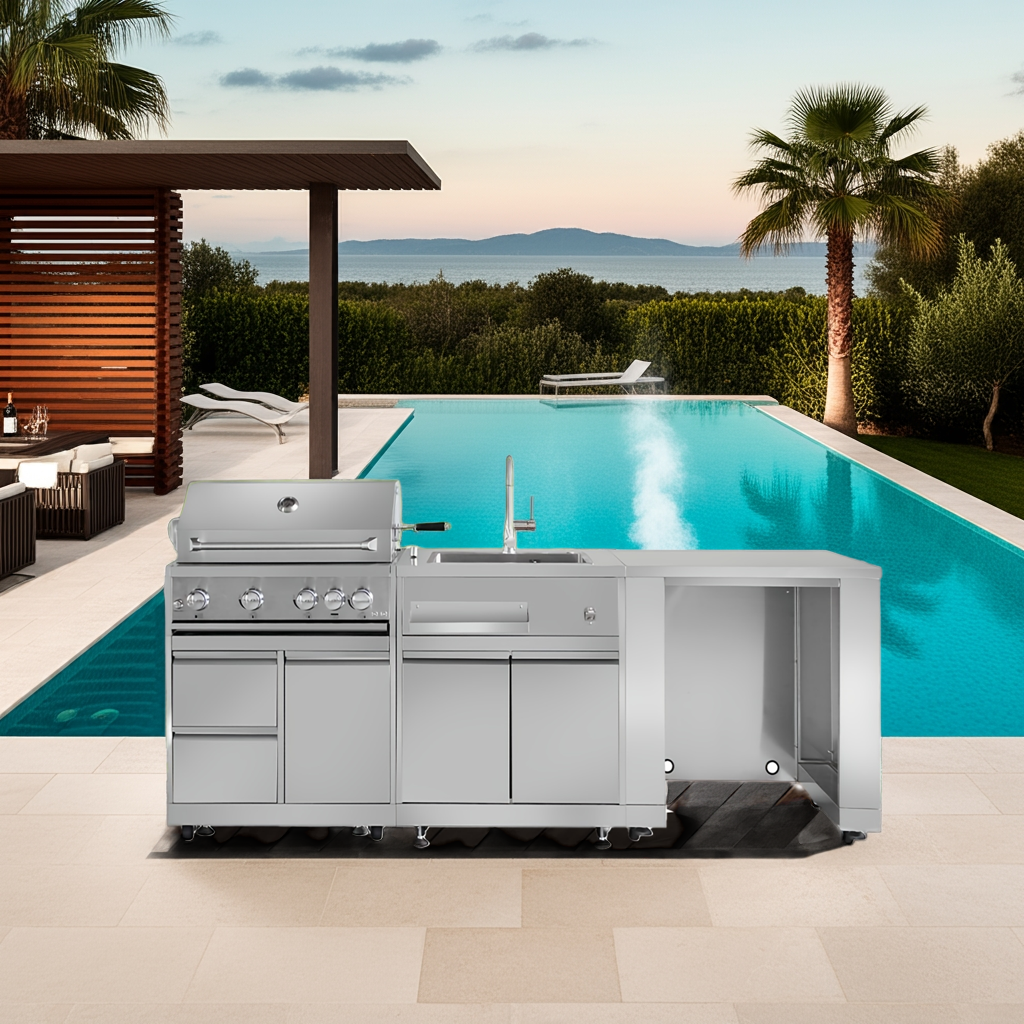 Outdoor Kitchen
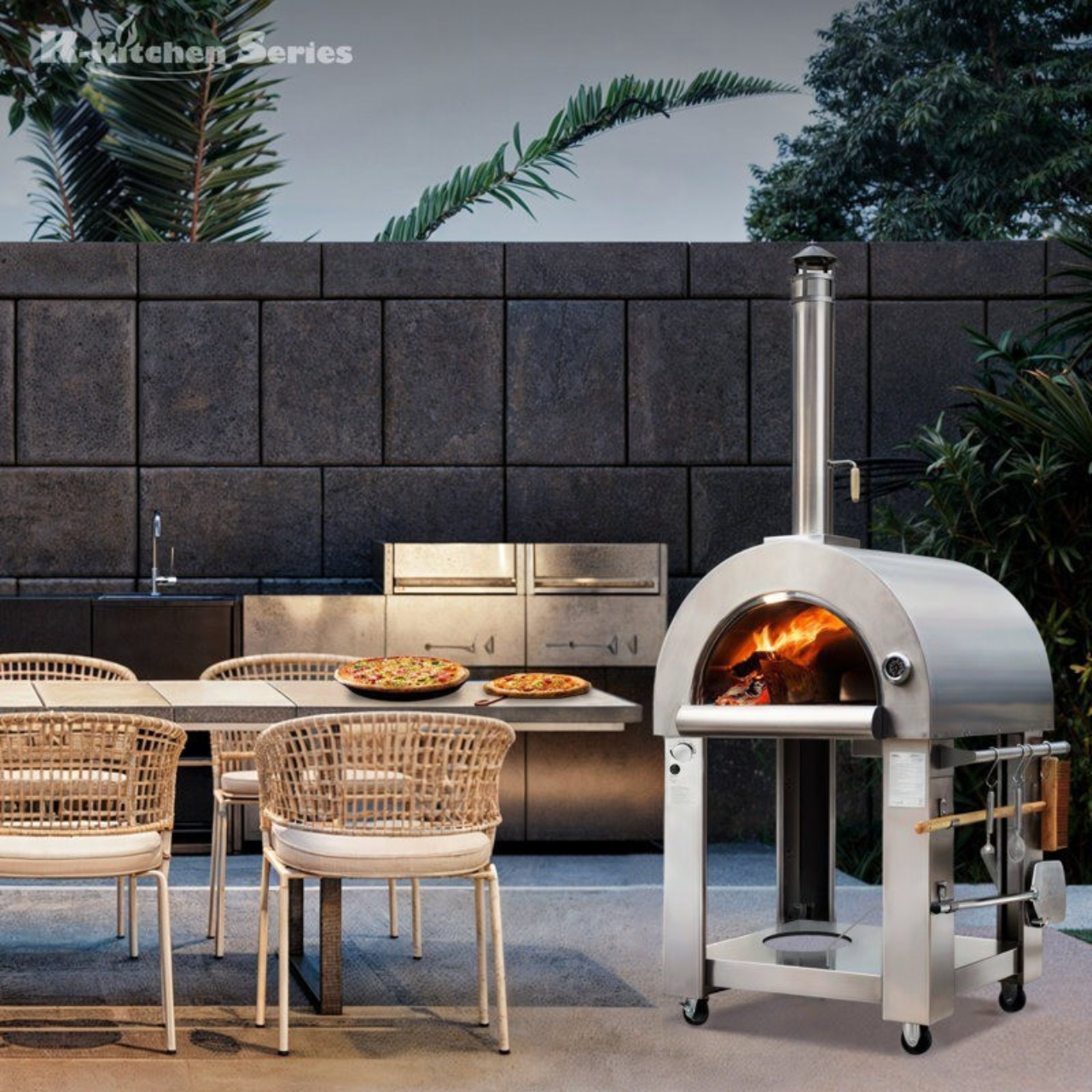 Pizza Oven
 Storage Systems
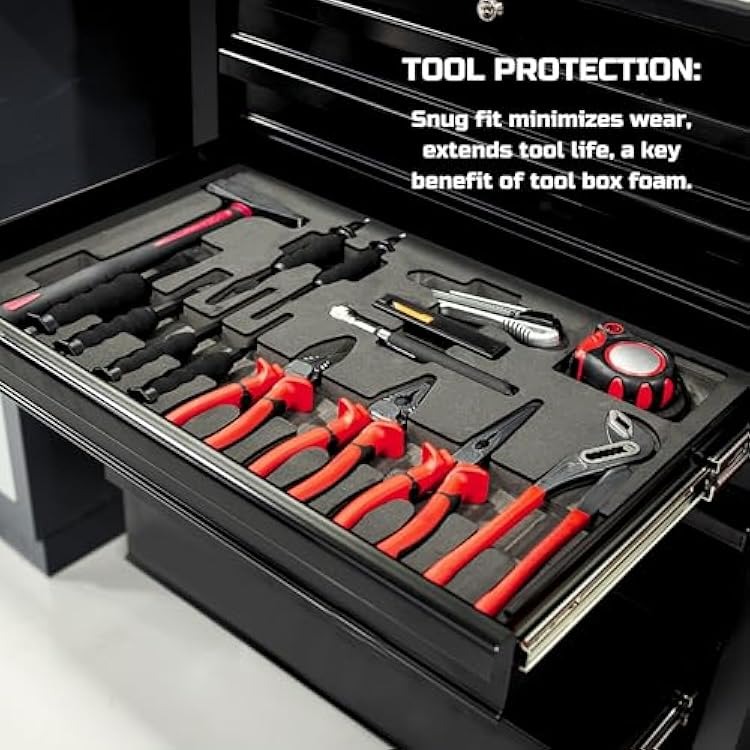 Garage Accessories
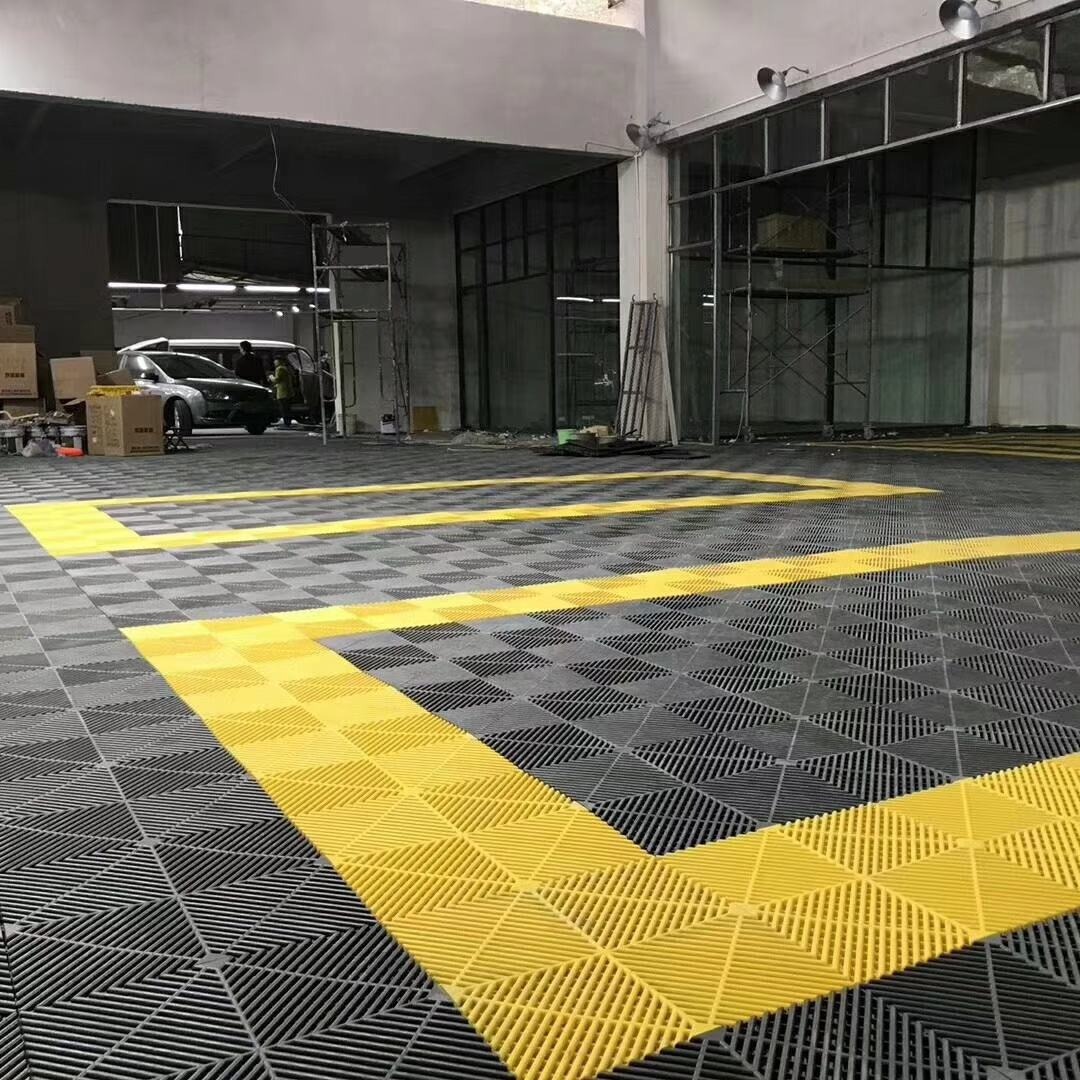 Garage Flooring
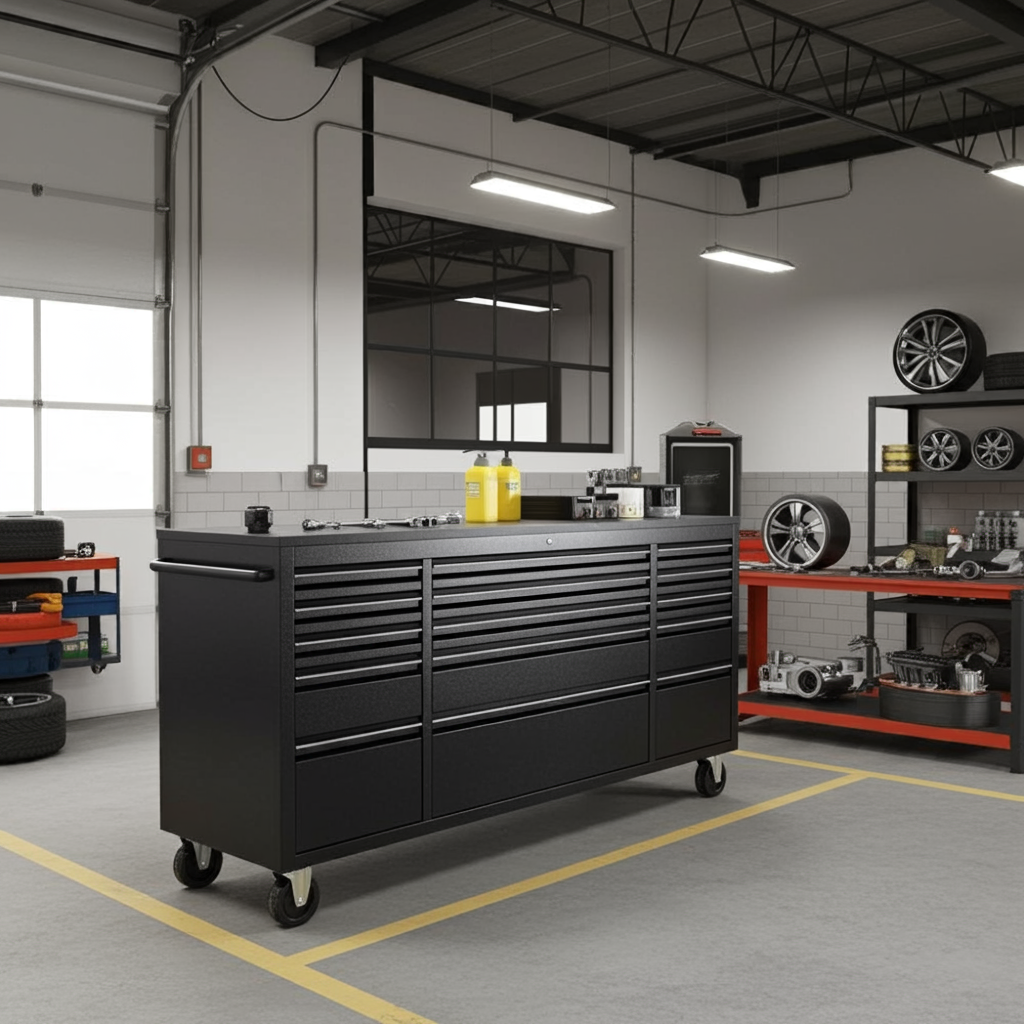 Lite Series Tool Chest&Cabinet
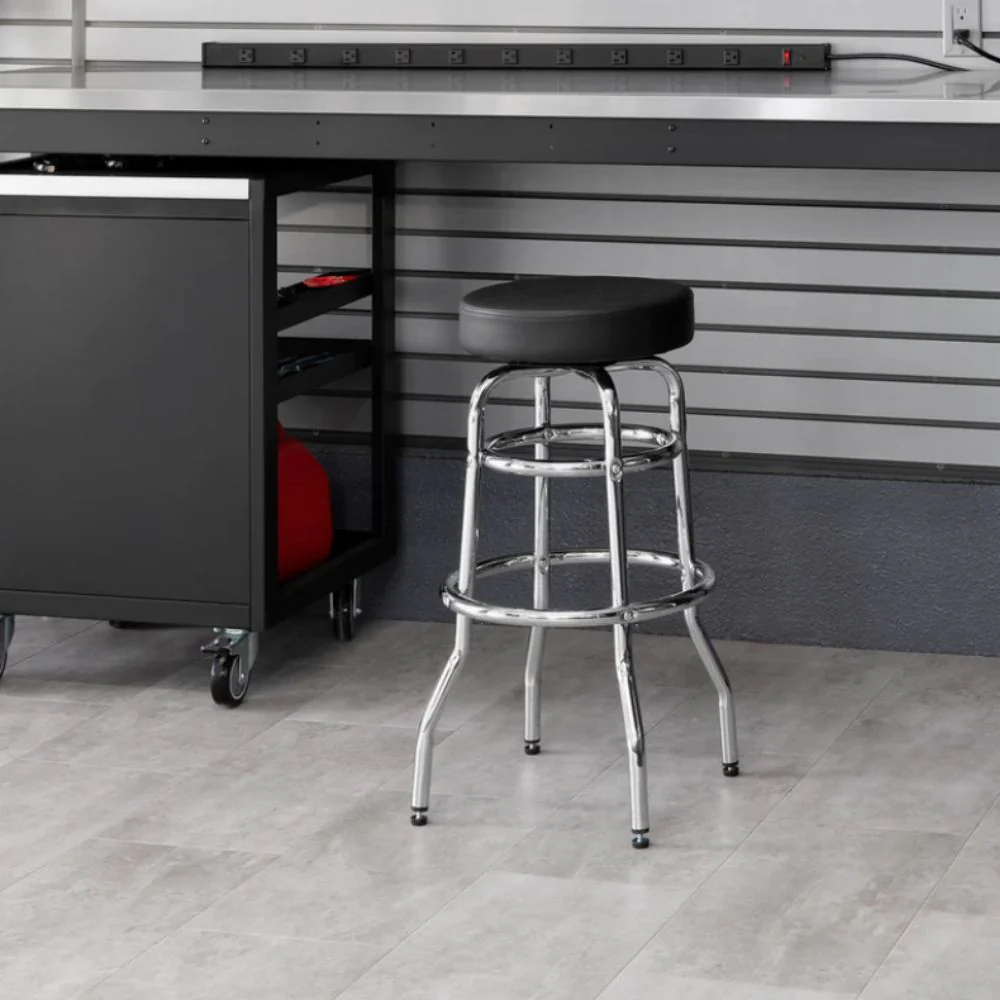 Mechanic Seats
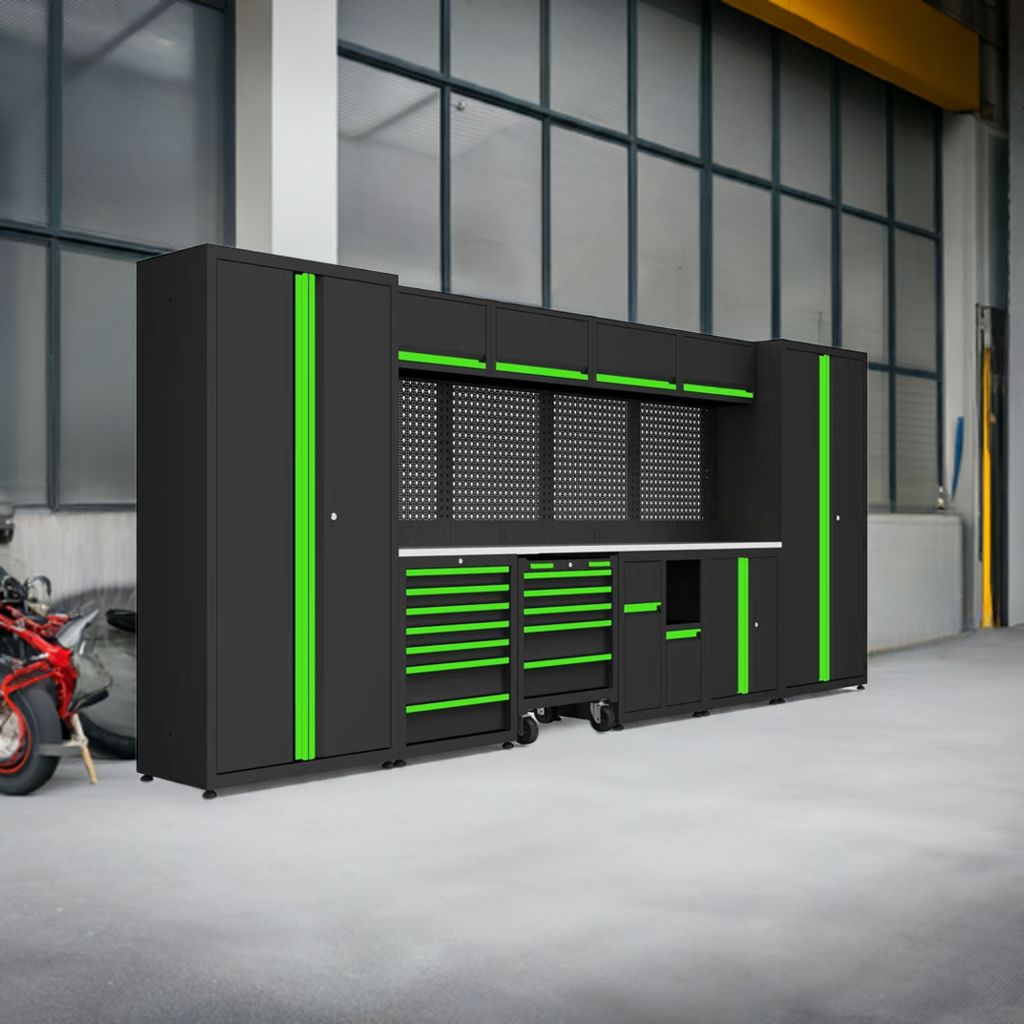 Modular Storage Systems
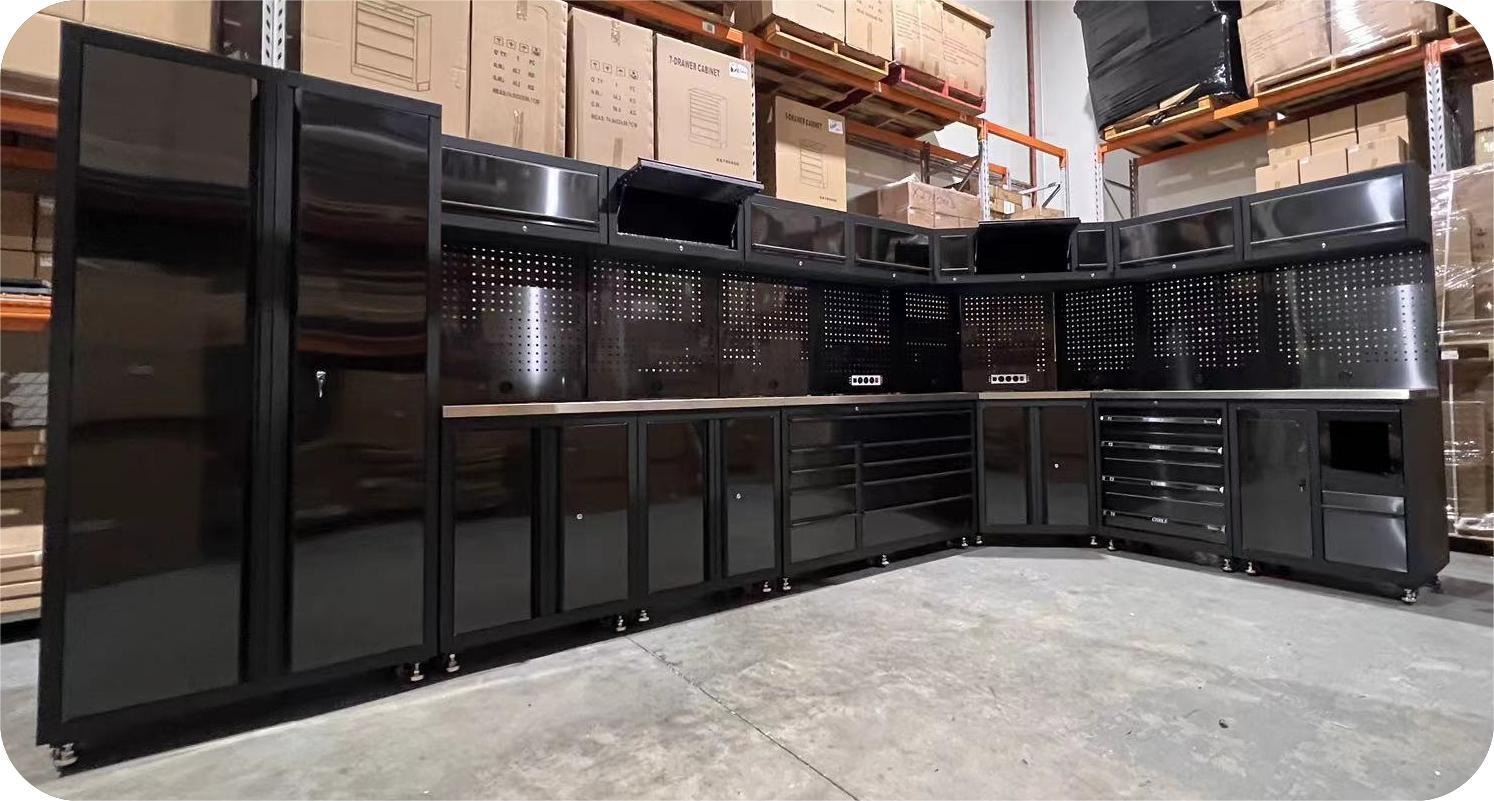 Pro Series Tool Cabines
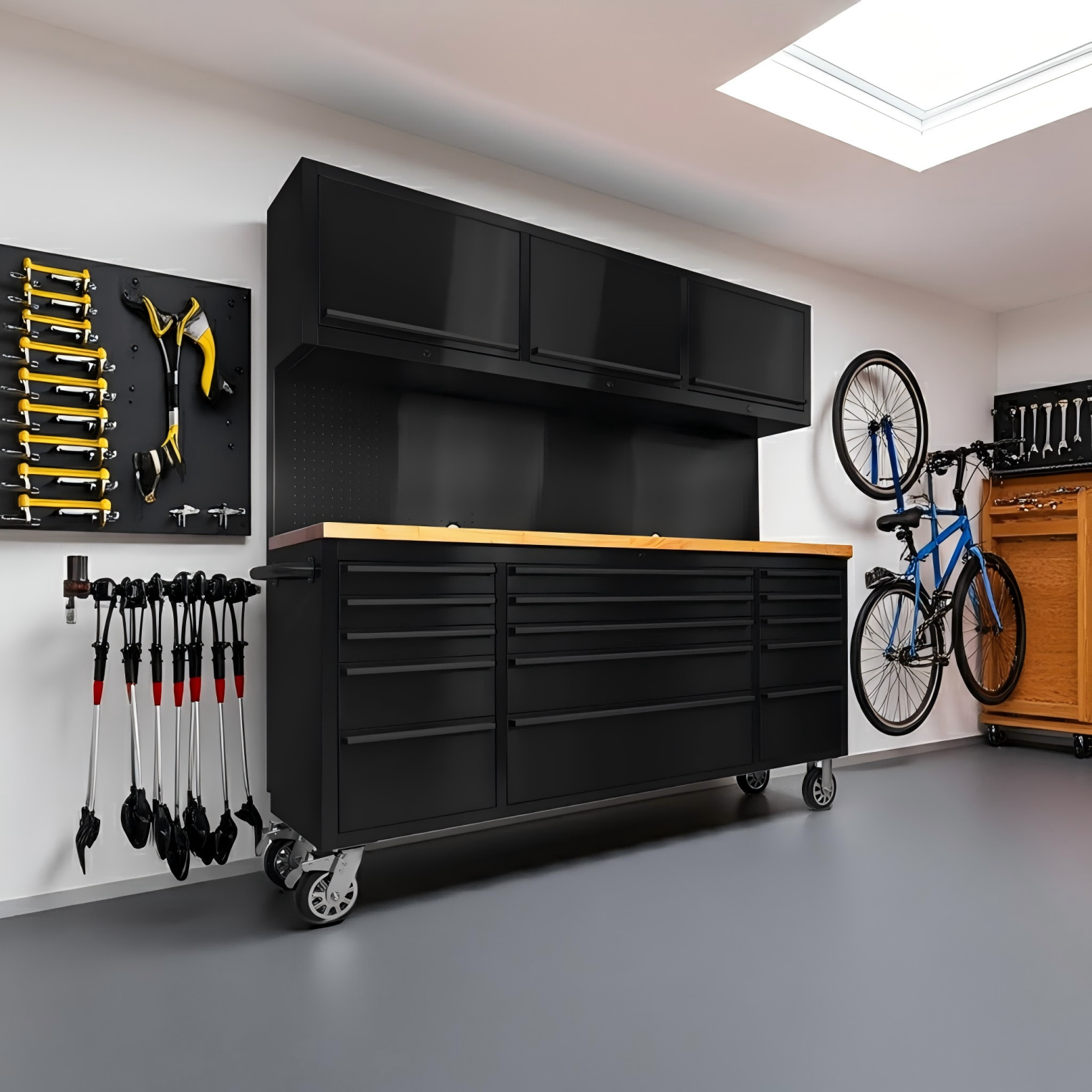 Tool Chests & Cabinets
Applying Mortise-and-Tenon Structure to Tool Cabinets
Applying the mortise-and-tenon structure to metal represents a perfect fusion of traditional craftsmanship and modern materials. It preserves the core advantages of the joinery technique while leveraging the material properties of metal.
Why It Is Feasible
-
Universal Structural Principle: The essence of mortise-and-tenon lies in its interlocking “concave-convex” physical structure, a principle independent of material. It can be implemented as long as the material’s strength and stiffness meet design requirements.
-
Superior Properties of Metal: Metals exhibit high strength, hardness, and wear resistance, enabling the creation of more precise and durable mortise-and-tenon joints compared to wood.
-
Modern Manufacturing Techniques: Advances in CNC machining, wire cutting, and 3D printing have made it relatively easy to produce complex, high-precision mortise-and-tenon structures in metal.
Challenges and Disadvantages
-
High Processing Costs: Demands expensive precision equipment and strict process control.
-
Tolerance Sensitivity: Tight tolerances complicate assembly; loose tolerances cause instability and noise. Meticulous design is essential.
-
Reduced “Flexibility”: Unlike wooden joints that absorb impact through deformation, metal joints are more rigid and may fail abruptly under extreme force.
-
Complex Design Requirements: Requires precise mechanical calculations and simulations to ensure the safety of each joint.
Practical Applications
-
Aerospace
-
High-End Manufacturing and Robotics
-
Architecture and Spatial Structures
-
High-End Consumer Goods
-
Cultural Heritage Preservation
Conclusion
Mortise-and-tenon structures are not only applicable to metal but are also driving innovative engineering solutions. This approach transcends mere imitation of woodworking, evolving into a new connection system that leverages modern materials and technologies while adhering to traditional principles.
In scenarios demanding high precision, detachability, stress-free assembly, and aesthetic excellence, metal mortise-and-tenon joints offer a unique alternative superior to welding or bolting. They exemplify how ancient wisdom, empowered by modern technology, can unlock new possibilities.