Nov
Tool Cabinets Guide: Choosing the Right Garage Storage System

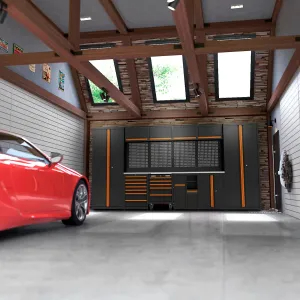
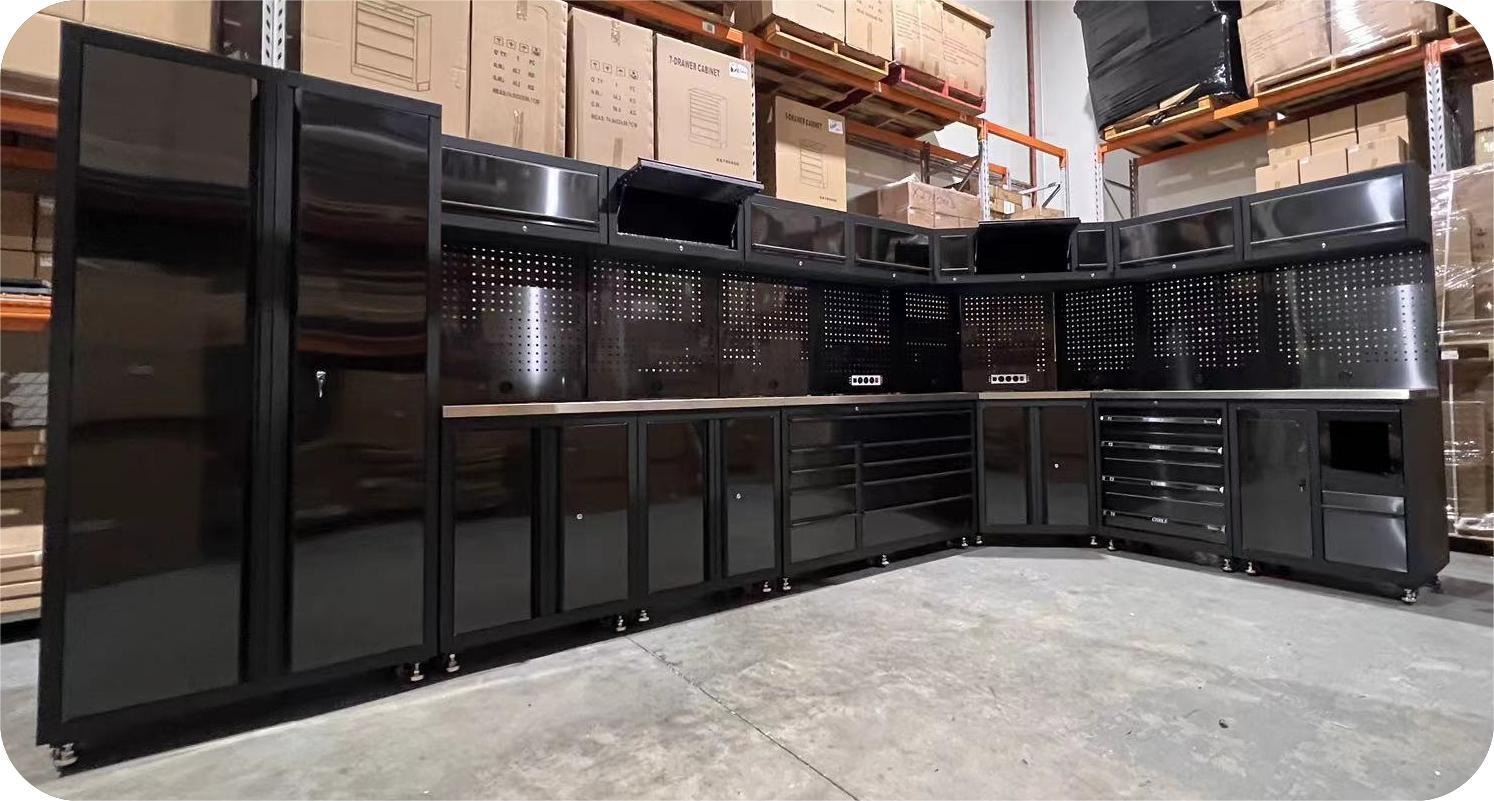
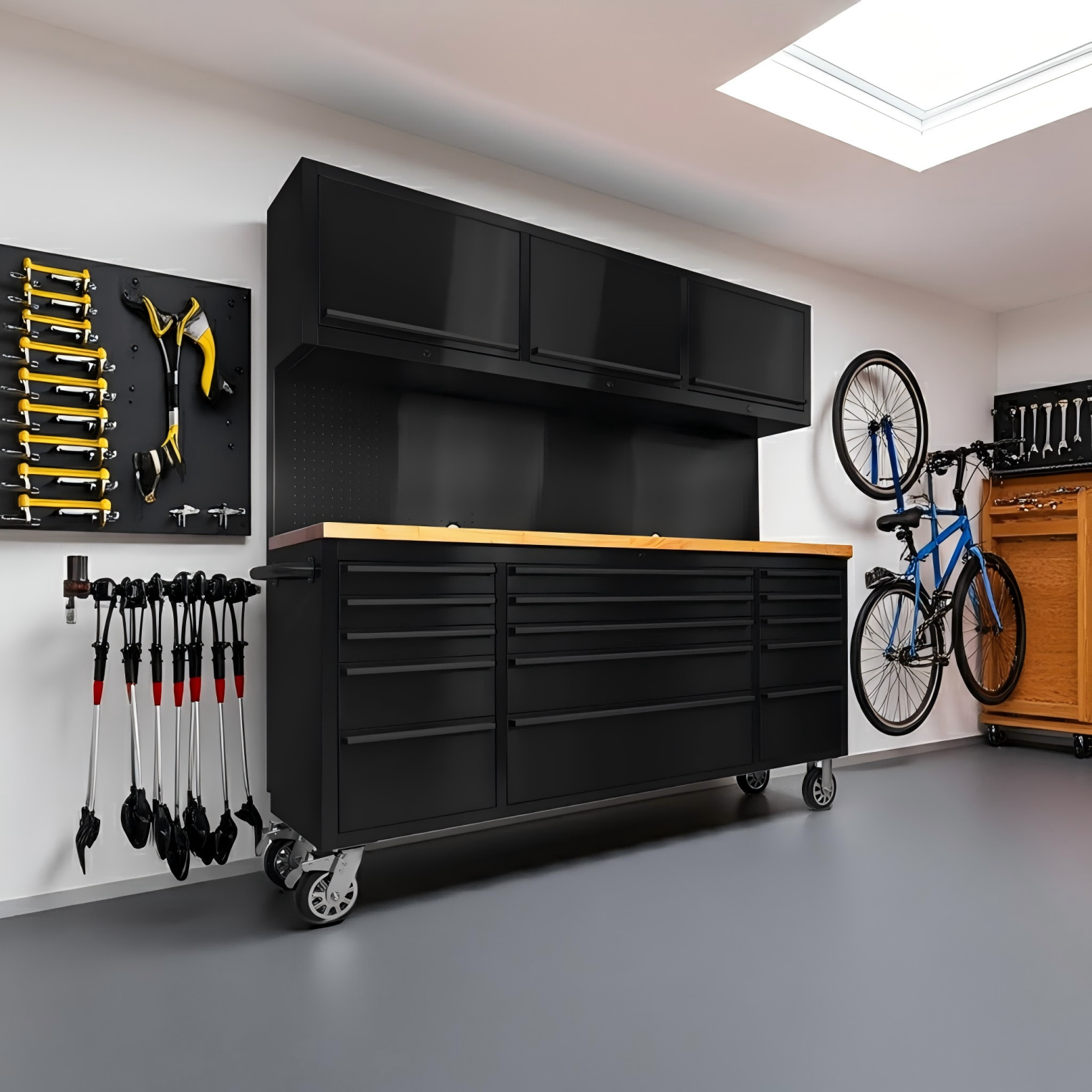
A well-organized garage starts with the right tool cabinets. But with various options available, how do you choose the best garage storage system for your needs? The decision primarily hinges on the tools you own and the intensity of your projects.

This guide will help you navigate the choice between a standard home tool chest and a robust industrial cabinet.

1. For Home DIY: Lightweight Tool Cabinets

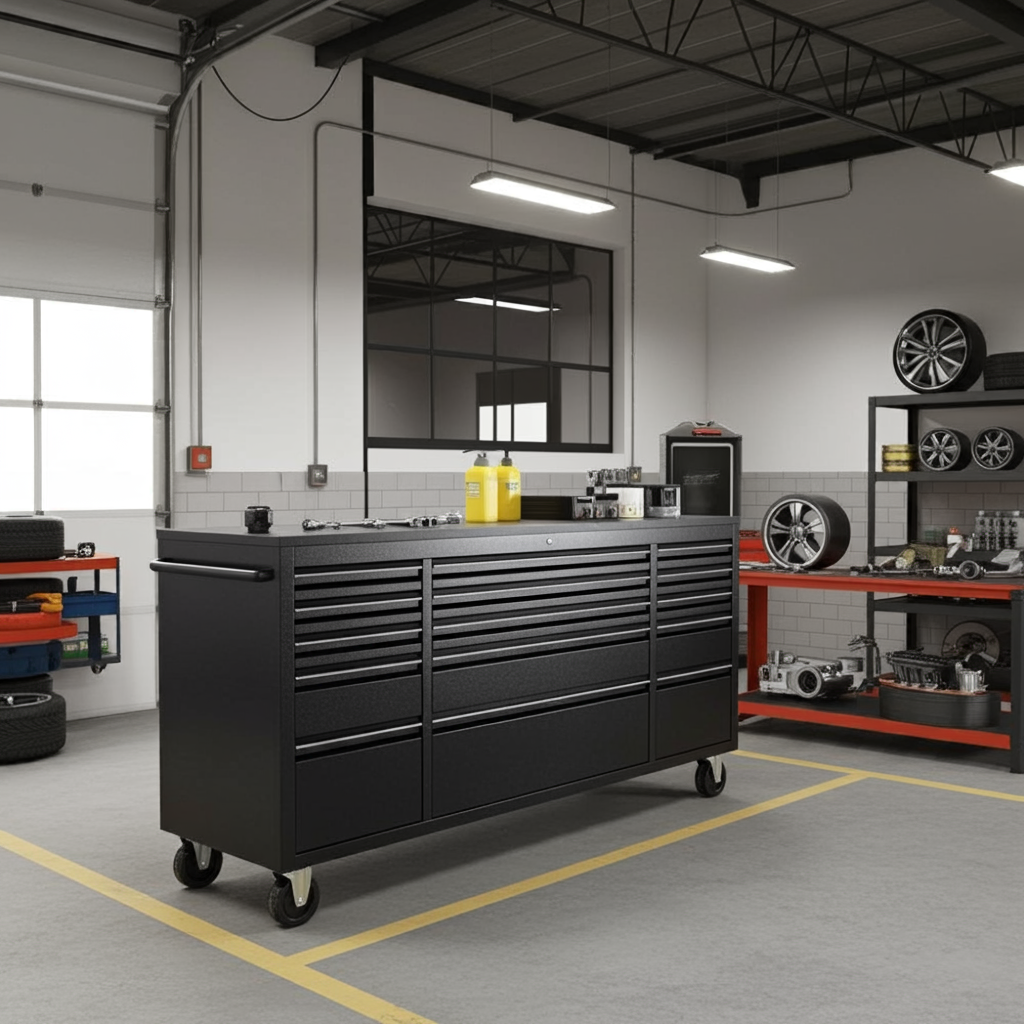
These tool cabinets are the cornerstone of an efficient home garage storage system.

  • Best For: Weekend DIYers, homeowners with basic tool sets (screwdrivers, hammers, power drills).
  • Key Traits:
    • Adequate Capacity: Perfect for organizing a standard collection of household tools.
    • Cost-Effective: Delivers essential storage without a large investment.
    • Mobility: Often feature casters for a flexible garage storage system you can move where needed.

The Verdict: If your projects are occasional and your tools are for general home maintenance, these tool cabinets provide the perfect balance of organization and value.

2. For Professional Use: Heavy-Duty Garage Storage Systems

When your work demands the most from your equipment, you need an industrial-strength garage storage system.

  • Best For: Professional mechanics, contractors, and serious enthusiasts with heavy, expensive tools.
  • Key Traits:
    • Robust Construction: Built with thick-gauge steel, these tool cabinets are designed to endure daily use.
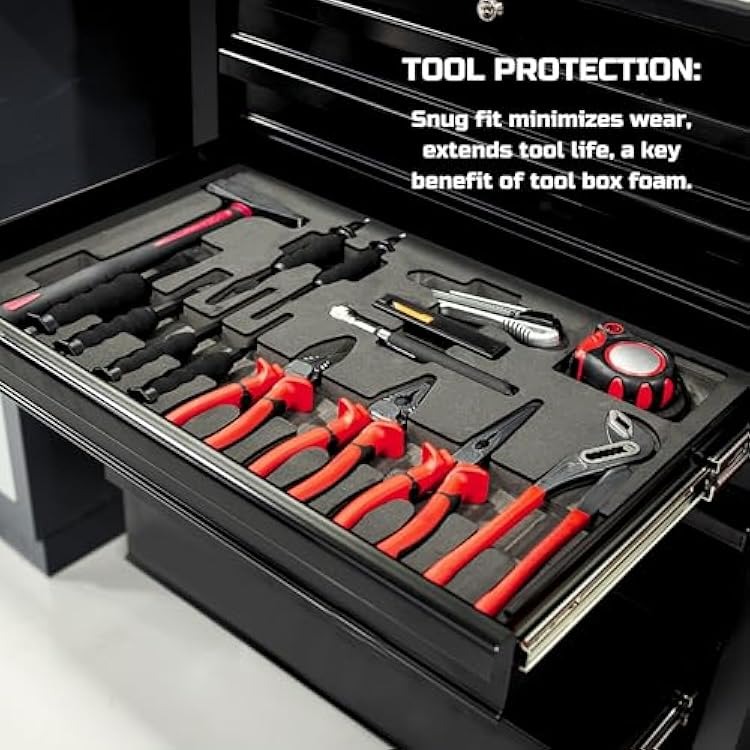
    • High Weight Capacity: Reinforced drawers safely hold professional equipment and large socket sets.
    • Superior Security: Integrated locking mechanisms protect your valuable investment.

The Verdict: For anyone who relies on their tools for work, this tier of tool cabinets is a non-negotiable, long-term investment in durability and security.

Final Recommendation: Assess the weight and frequency of your tool use. Investing in the correct garage storage system from the start ensures your tool cabinets will serve you reliably for years to come.

Nov
Tool Chest Finishes Compared: Stainless Steel, Powder Coat, or Titanium?

Choosing the best finish for your tool box is critical for durability, corrosion resistance, and looks. If you’re searching for the difference between stainless steel tool boxespowder coat finishes, and colored titanium options, you’ve come to the right place. This guide breaks down the pros and cons of each to help you decide.

Stainless Steel Tool Chest

Stainless steel is an alloy that naturally resists rust due to its chromium content. It’s a premium choice for harsh environments.

Pros:

  • Maximum Rust Resistance: The best choice for wet, humid, or salty-air workshops. The protection is part of the metal itself.
  • Very Durable: Highly resistant to chipping and cracking.
  • Easy to Clean: A simple wipe-down is usually all it needs.
  • Professional Look: Offers a classic, industrial aesthetic.

Cons:

  • High Cost: Typically the most expensive option.
  • Shows Smudges: The shiny surface easily shows fingerprints and fine scratches.
  • Heavy Weight: Can be heavier than coated steel boxes.

Powder Coated Tool Chest

Powder coating involves applying a dry electrostatically charged powder to metal and baking it into a hard, protective layer. It’s the industry standard for high-performance finishes.

Pros:

  • Superior Scratch & Chip Resistance: Much tougher than standard paint, ideal for a busy workshop.
  • Wide Color Selection: Available in hundreds of colors and textures (gloss, matte, textured).
  • Excellent Value: Offers a great balance of durability and cost.
  • Good Chemical Resistance: Handles oils and solvents well.

Cons:

  • Can Rust if Damaged: If the coating is deeply scratched, the underlying steel can corrode.
  • Hard to Repair: DIY touch-ups are difficult to blend seamlessly.
  • Potential for UV Fading: Dark colors may fade in direct sunlight over time.

Titanium Coated (Colored Stainless Steel) Tool Chest

This premium process (PVD Coating) bonds a thin, ultra-hard layer of titanium to stainless steel, creating vibrant, durable colors.

Pros:

  • Extreme Scratch Resistance: The hardest surface of the three, highly resistant to abrasion.
  • Unique, Fade-Resistant Colors: Provides a luxury look that won’t chip or fade easily.
  • Combined Protection: Offers the rust-resistance of stainless steel plus an extra-hard top layer.
  • Easy to Wipe Clean.

Cons:

  • Highest Price: The most expensive finish due to complex manufacturing.
  • Nearly Impossible to Repair: Damage to the coating cannot be easily fixed.
  • Limited Color Options.

Final Recommendation:

  • For garages and professional shops where value and toughness are key, Powder Coat is the top contender.
  • For marine, automotive, or chemical environments where rust is the main enemy, Stainless Steel is unbeatable.
  • For a showroom-quality box where you want both supreme scratch resistance and a unique color, Titanium Coating is the luxury choice.

By selecting the right tool box finish, you ensure your investment lasts for years, protecting your tools in style.

Nov
Applying Mortise-and-Tenon Structure to Tool Cabinets

Applying the mortise-and-tenon structure to metal represents a perfect fusion of traditional craftsmanship and modern materials. It preserves the core advantages of the joinery technique while leveraging the material properties of metal.


Why It Is Feasible

  1. Universal Structural Principle: The essence of mortise-and-tenon lies in its interlocking “concave-convex” physical structure, a principle independent of material. It can be implemented as long as the material’s strength and stiffness meet design requirements.

  2. Superior Properties of Metal: Metals exhibit high strength, hardness, and wear resistance, enabling the creation of more precise and durable mortise-and-tenon joints compared to wood.

  3. Modern Manufacturing Techniques: Advances in CNC machining, wire cutting, and 3D printing have made it relatively easy to produce complex, high-precision mortise-and-tenon structures in metal.


Challenges and Disadvantages

  1. High Processing Costs: Demands expensive precision equipment and strict process control.

  2. Tolerance Sensitivity: Tight tolerances complicate assembly; loose tolerances cause instability and noise. Meticulous design is essential.

  3. Reduced “Flexibility”: Unlike wooden joints that absorb impact through deformation, metal joints are more rigid and may fail abruptly under extreme force.

  4. Complex Design Requirements: Requires precise mechanical calculations and simulations to ensure the safety of each joint.


Practical Applications

  1. Aerospace

  2. High-End Manufacturing and Robotics

  3. Architecture and Spatial Structures

  4. High-End Consumer Goods

  5. Cultural Heritage Preservation


Conclusion

Mortise-and-tenon structures are not only applicable to metal but are also driving innovative engineering solutions. This approach transcends mere imitation of woodworking, evolving into a new connection system that leverages modern materials and technologies while adhering to traditional principles.

In scenarios demanding high precision, detachability, stress-free assembly, and aesthetic excellence, metal mortise-and-tenon joints offer a unique alternative superior to welding or bolting. They exemplify how ancient wisdom, empowered by modern technology, can unlock new possibilities.

Nov
Swap the Color, Not the Cabinet: Garage Cabinets with Interchangeable Handles

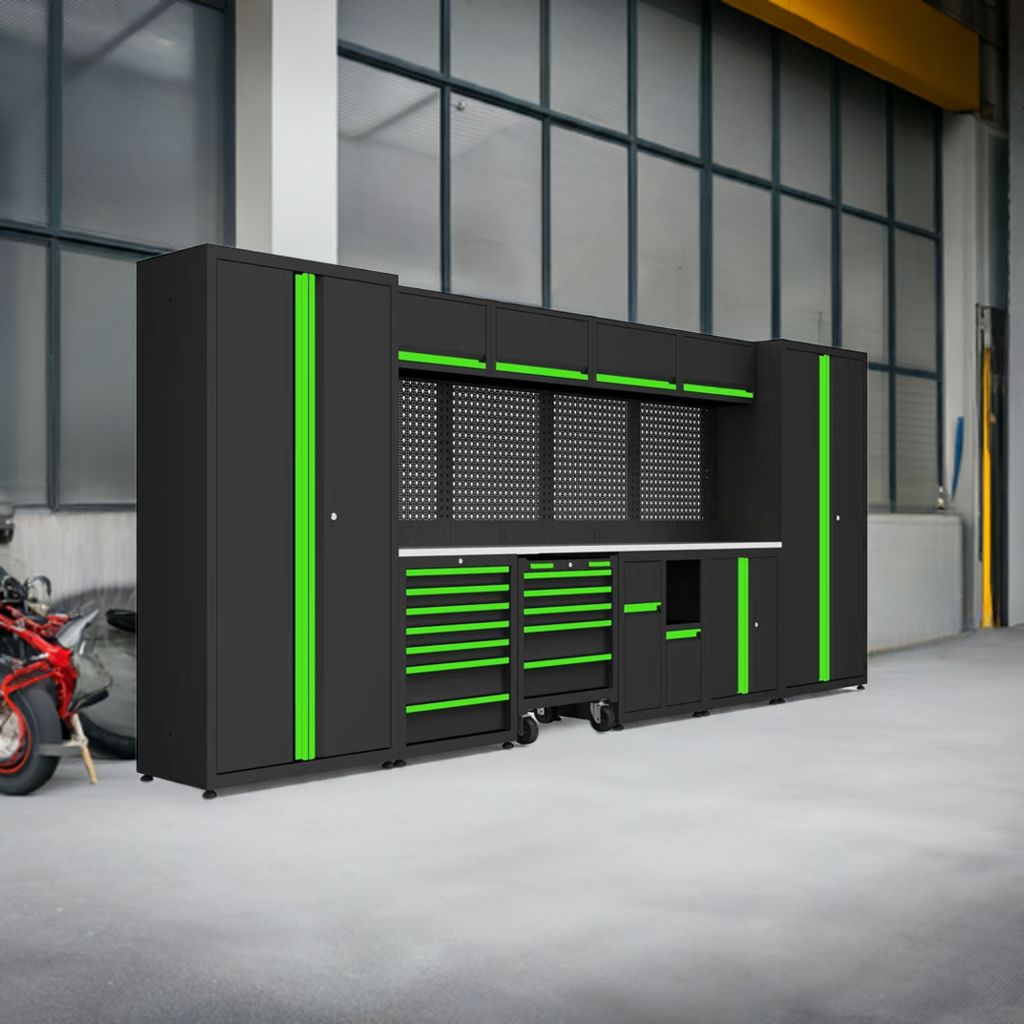
Tired of your boring garage? We have the solution. Introducing our new line of garage cabinets with a revolutionary feature: interchangeable handles in vibrant colors.

Personalize your space in seconds. Our unique, tool-free snap-in system lets you swap handles effortlessly. Match your team colors, color-code your storage, or simply refresh your look whenever you want.

It’s the easiest and most affordable way to transform your garage. Get strong, durable storage with a pop of personal style.

Ready for a change? Explore our colorful handle collections and cabinet systems on our website today!