Metal mortise-and-tenon (riveted interlock) differs fundamentally from ordinary welding. Welding fuses metals via high heat, creating a rigid but brittle joint prone to stress cracks and thermal deformation. In contrast, metal mortise-and-tenon uses precision-cut interlocking tenons and mortises, joined by rivets—no melting, no heat distortion, and far greater structural integrity.
Key Challenges
- Ultra-precision machining: Requires tight tolerance CNC cutting for perfect tenon-mortise fit.
- Material stress control: Hard metals risk cracking at interlock edges; must balance strength and ductility.
- Complex assembly: Manual alignment and riveting demand skilled craftsmanship, raising production difficulty.
Applications
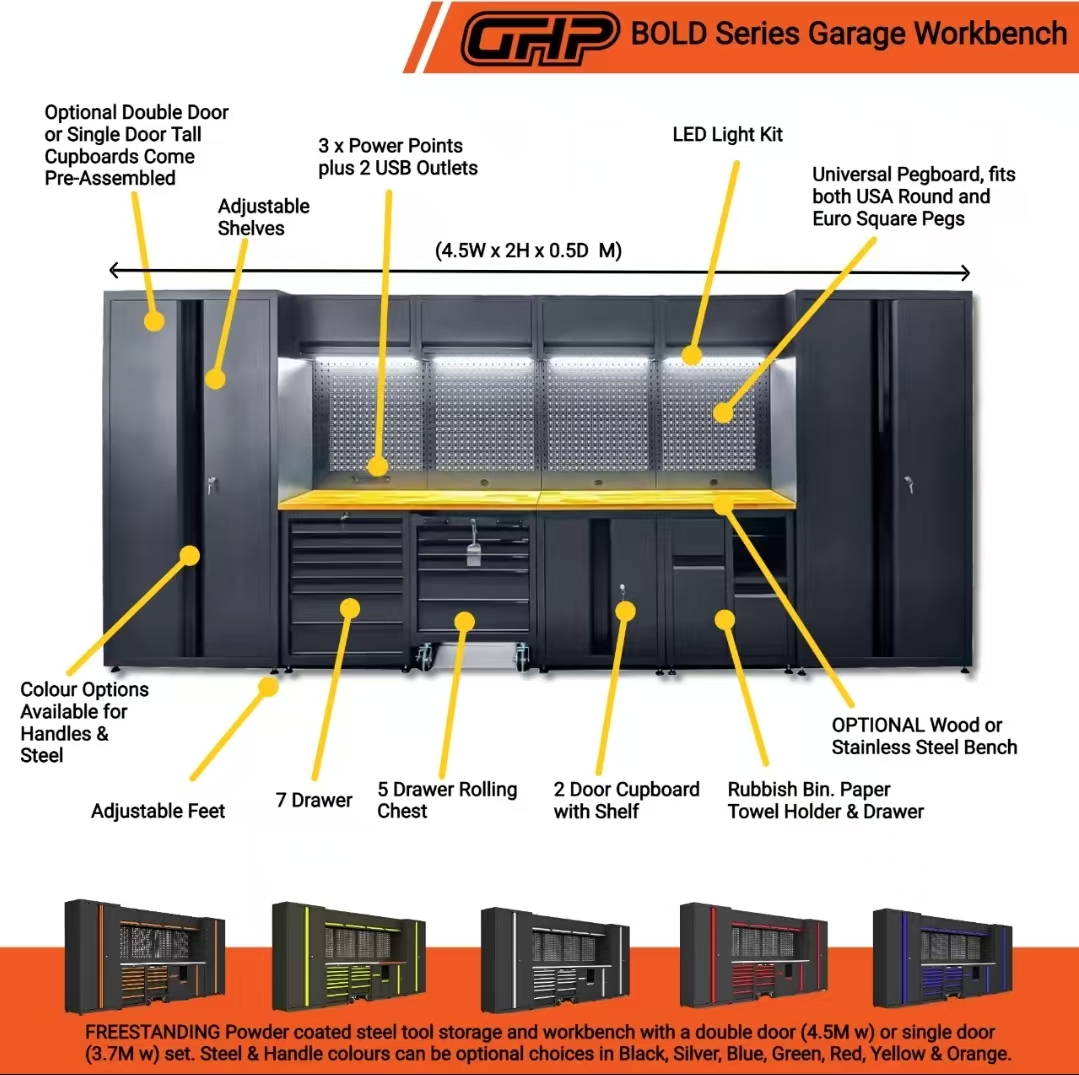
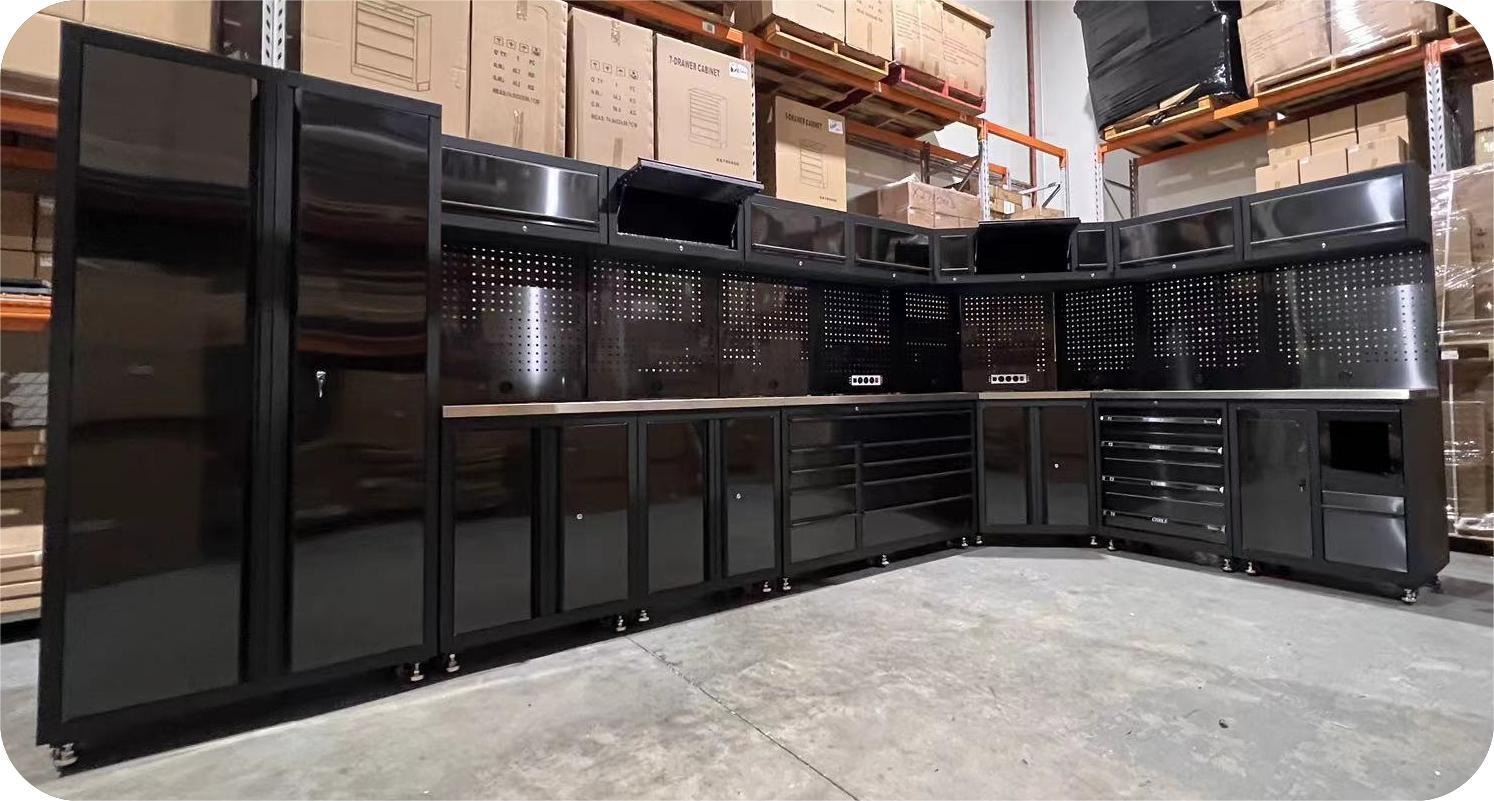
Ideal for heavy-duty tool cabinets, industrial storage, workshop equipment, and structural metal furniture—where long-term durability, load resistance, and vibration stability are critical. It outperforms welding in harsh workshop environments, resisting fatigue, impact, and repeated use.